
Dos and don’ts of guest communication
By the time you’ve finished this sentence, more than 2.4 million emails have been sent. Email is a major communication channel and used by virtually every industry these days. Between the standard emails you need to send your guests and the promotional emails you send, you need to make sure yours stand out and follow certain best practices.
We’ve covered the different types of emails you’ll send as a hotelier and the overall dos and don’ts to incorporate.
Dos
- Use triggered emails: These can be your confirmation, welcome, or thank you letters that are triggered in your reservation software or triggered from actions on your website, such as signing up for a newsletter. Time is of the essence in email communication, so using automated processes or triggers can help save you time by letting the emails run themselves instead of manually sending confirmation letters.
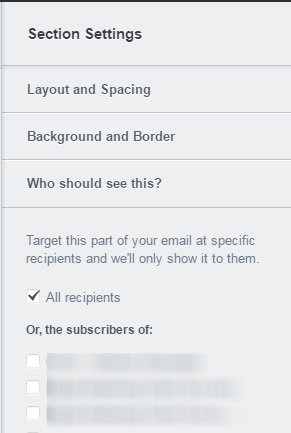
- Personalize: Gone are the days when you could say, “Dear Guest,” and it would seem genuine. With today’s technology, guests want personalized emails and content. You can use their name, first, last, or both, in the email, or even in the subject line, and make sure that all the data presented is theirs if it’s a confirmation or thank you letter. Some email marketing platforms even allow you to display specific content based on parameter such as gender or what email marketing list they’re included on. So, a section of the email could only be shown to people that have booked romance packages in the past which allows you to target those guests without creating a copy of the same email!
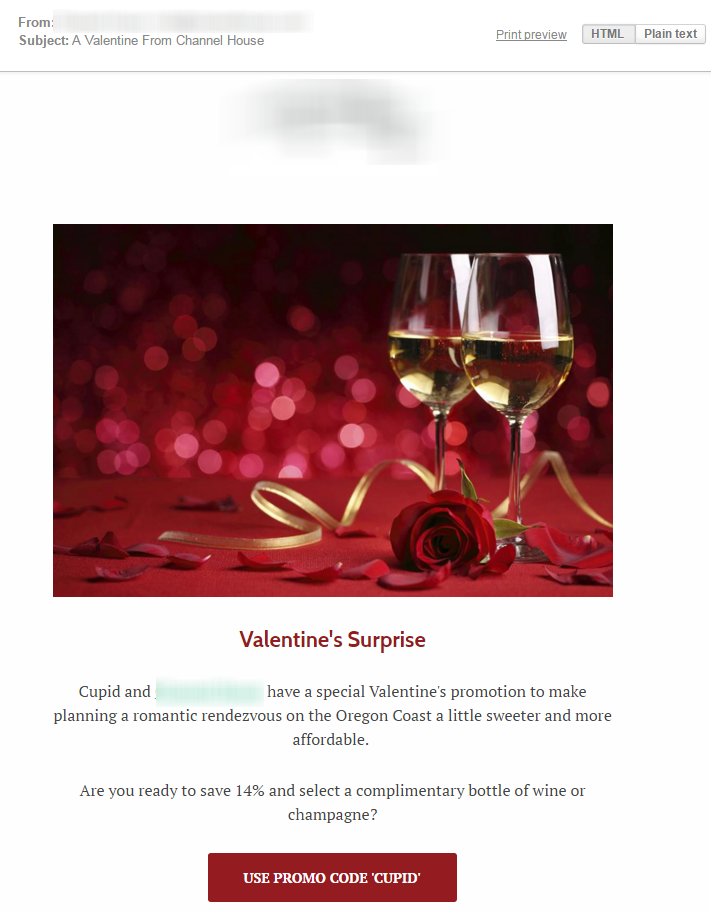
- Send special offers: Many of today’s consumers expect something in return for allowing you to send them emails which easily translates into specials or exclusive offers. An easy way to do this is to create an exclusive promo code, like “SUMMER16” and send that to guests that haven’t made reservations for the next month or two out. Add this code to your booking engine so it’ll automatically deduct a dollar amount or percentage which makes it easy for your guests to see their savings and making it bookable online allows them to book when it’s convenient for them.
- Craft a unique subject line: Your subject line and preview pane will more often than not determine if the guest opens your email. Get to the point and let them know what’s included in the email. Do not lie or sensationalize the content just to get an open. Your open rate is a good measure of how your campaigns are performing but is not the only measure of success. It’s recommended to keep your subject line between 41 – 50 characters so it’s optimized for mobile and desktop preview panes.
- Make it scannable: Congratulations, your guest opened their email but were immediately met by a wall of text with no graphics or buttons. Guests want to be able to understand the email quickly and scan it for information they want. Break up your text with graphics or calls to action to keep their eyes scanning the email. We recommend that if your message needs more than four or five sentences then you should use bullet points to make it scannable.
- Upsell: Like the triggered emails, it’s OK to follow up with guests and remind them of packages or add-ons that could enhance their stay. For example, one week prior to their arrival, send a welcome email that details activities they can enjoy, a recap of their reservation, and opportunities to add packages or point of sale items to their booking.
- Promote other channels: In your email newsletters or special offers, showcase your other communication channels, such as social media or a blog where your guests can comment and stay engaged and up-to-date with what’s happening at the property!
- Ask for reviews: In your thank you letters, you should always offer guests the chance to provide feedback or write a review about their stay on review sites like TripAdvisor. This helps you guide guests in the right direction of sites you prefer to have reviews on and helps keep consistency in new reviews. Google does pay attention to how frequently your property is receiving reviews, on Google My Business and TripAdvisor, and getting new reviews can help your SEO efforts.
Don’ts
- Use a noreply email address: Never send an email from a donotreply@brand.com or noreply@brand.com as that sends the message that you don’t care what they have to say about your email. It shuts down any potential conversation and makes your guest feel like they’re just another number on a marketing list.
- Forget to clean lists: Your lists should be up-to-date and only have subscribers that opted in to getting emails from you. If email addresses on your lists are more than three years old, it’s a good practice to use a tool like BriteVerify to ensure these addresses are active and legitimate so you’re not paying to send an email campaign to closed account or potentially ruining your reputation by accidentally spamming people. To take it to the next level, you can also use tags or segment your lists to craft more personalized emails for guests that have booked romance packages or guests that only visit in the summer.
- Forget an opt-out: Not only is having the option to unsubscribe from emails part of spam laws it’s also respectful to your guests showing them that your intent isn’t to spam them, it’s to share information you think they’re interested in.
- Fail to test: Send a test email so you can see what it’ll look like to your guest and double check for any errors such as spelling, pricing, or stipulations of a special offer.
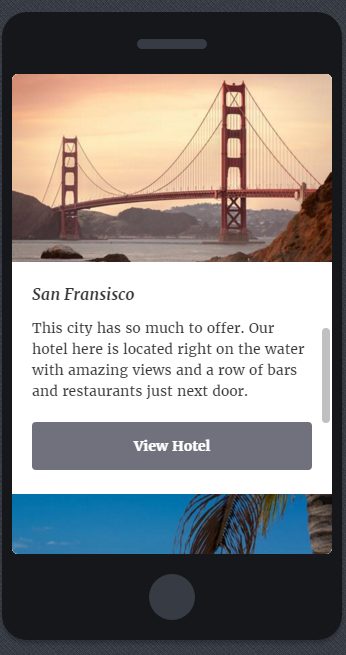
- Dismiss mobile users: Make sure your emails are mobile-friendly whether using a responsive design or a mobile-friendly template. 15 to 70% of email opens are done on a mobile device and you don’t want to alienate these users by having an email that’s unreadable in their inbox.
How has your email marketing evolved over the years? Tell us in the comments section below!
Related reading: Stop losing email subscribers by following these 10 email tips