
Google Destinations: Personalized mobile travel planner
With the variety of review websites, apps, and travel agents, today’s traveler has a lot of resources when it comes time to plan that next vacation and it seems Google wants in on the action.
Google rolled out a new mobile search tool to help travelers plan vacations where they’re already doing the majority of the work. According to Google data, “we saw a whopping 50 percent increase in travel-related questions on mobile phones,” in the last year. The company hopes that Destinations on Google will become the go-to resource for information on where to travel, best times or seasons to visit, things to do, and pricing.
All searchers have to do is add the word “destination” to the end of a search on a continent, country, or state and Google will show a grid of destinations to dive deeper into as well as share information from Google Flights and Hotel Search. Each grid has a highlight of top attractions or neighborhoods, suggested travel dates, and pricing for flights and hotels. Users can then click on a particular destination to get inspiration from travel guides, popular itineraries, and more information about traveling there.
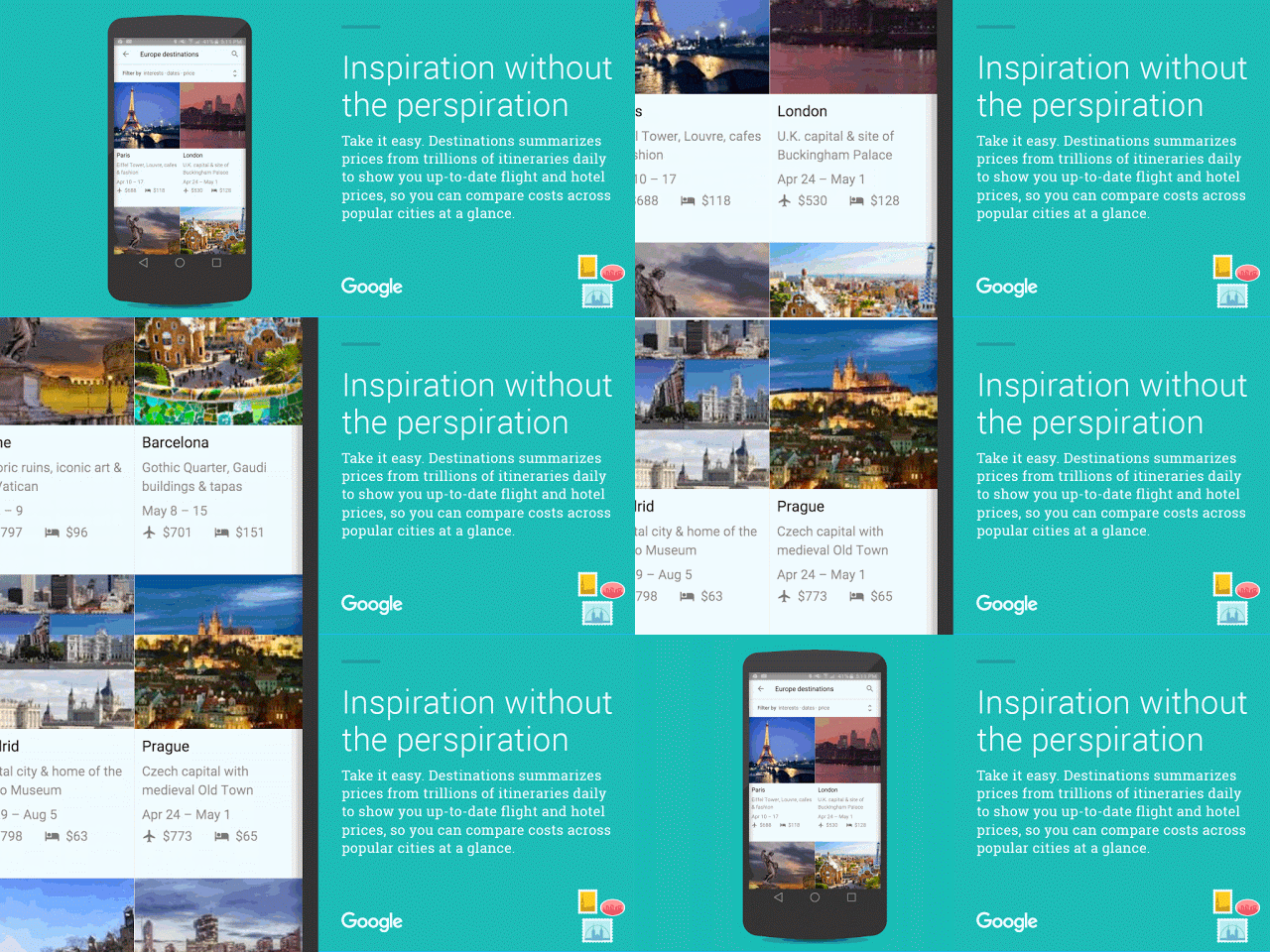
GIF: Google
By adding “travel” or “vacation” to the end of a query, travelers can get right into travel guides and itinerary-based information.
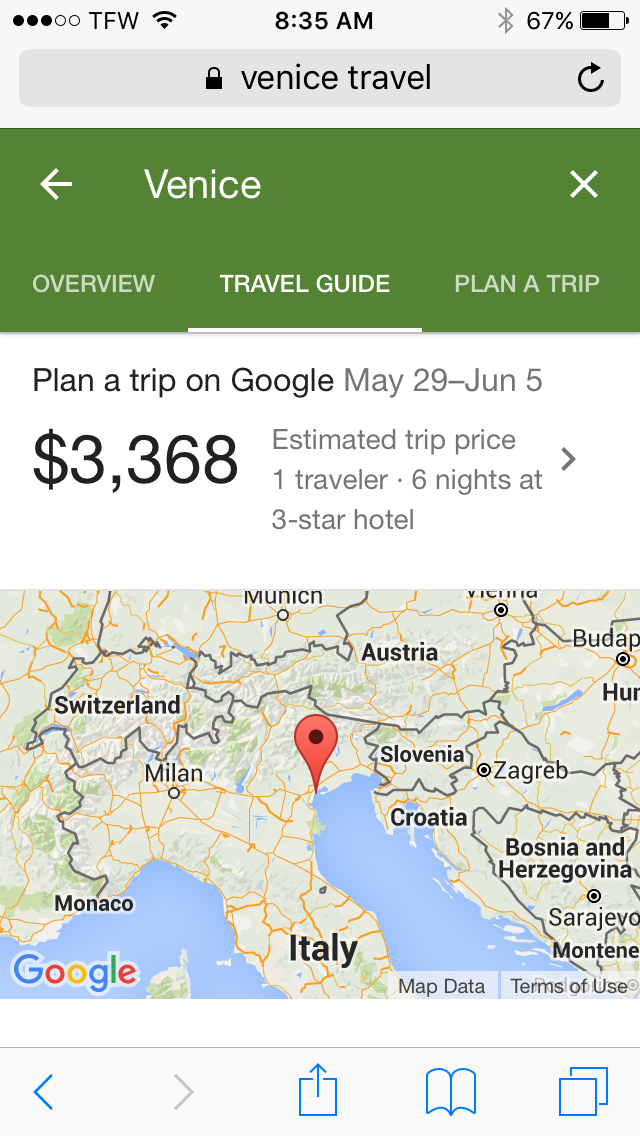
The search will allow users to estimate prices based on the date of departure, find popular itineraries to customize the experience, and explore the area to learn more about busy seasons and even look at historical data on weather.
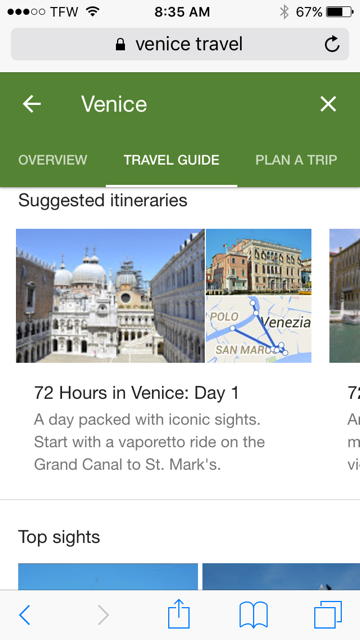
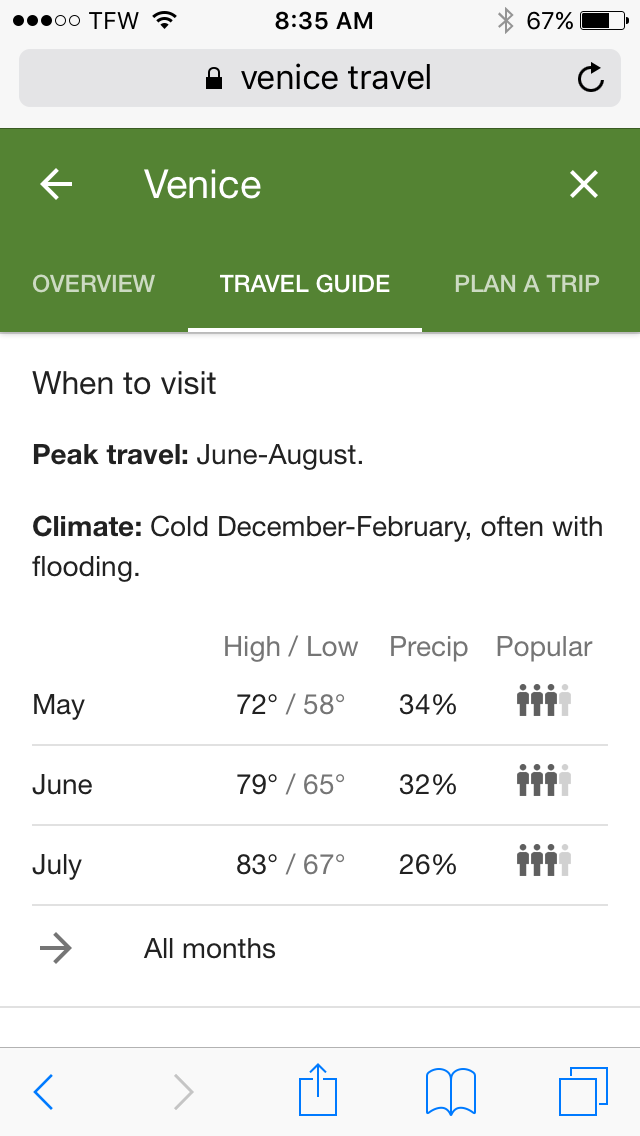
Travelers can plan their vacation and book it (either through a partner site or through a partnership with Google) from one platform.
Impact for independent lodging
Along with the recent Local updates, Destinations will be a major competitor for the travel planning stage. Therefore, you should devote time to crafting new or updating activity pages, travel itineraries, and guides for your guests to help you show up in this new planning tool. While it will be a convenient feature, we still can see the data showing that many travelers need more than one interaction with a brand before booking so we still expect to see travelers bouncing around the web getting information and potentially finding better accommodations on their own. In fact, most travelers visit about 40 different sites before making a purchase decision so the shift to a one-stop shop for booking is still a ways away.
This does highlight the importance of having a good SEO strategy in place, updating local listings, and playing nicely with OTAs that have partnered with Google (like Booking.com and Expedia). It also drives home the point that your website must, must, must be mobile-friendly and responsive to stay competitive in today’s market. It’s beyond the point of being a nice to have and is a necessity for your travelers – like a bed in their room.
Finally, it shows us that Google is serious about being in the travel space by sharing real-time pricing information on flights and hotels and wanting to be a part of the entire travel process. Google has shared that its intention is not to become an OTA but to help its partners by driving quality traffic to their sites.